Rubbish removal Putney High Street SW15 guide
If you are dealing with a growing pile of bags, broken furniture, renovation offcuts or general clutter along Putney High Street, you are probably not looking for theory. You want a clear, local, practical Rubbish removal Putney High Street SW15 guide that tells you what works, what to avoid, and how to get the job done without stress. Fair enough. In a busy part of SW15, space is tight, time is tight, and nobody wants rubbish sitting around longer than it has to.
This guide breaks down the full process in plain English. You will learn how rubbish removal typically works in Putney High Street, who it suits, what to check before booking, how to compare options, and which details matter most for safety, compliance, and value. It is written to help you make a sensible decision, not just a quick one.
One thing people often forget: good rubbish removal is not only about getting rid of stuff. It is also about keeping access clear, protecting shared areas, and making sure the waste goes to the right place. That matters in flats, shops, offices, and homes alike.
Why Rubbish removal Putney High Street SW15 guide Matters
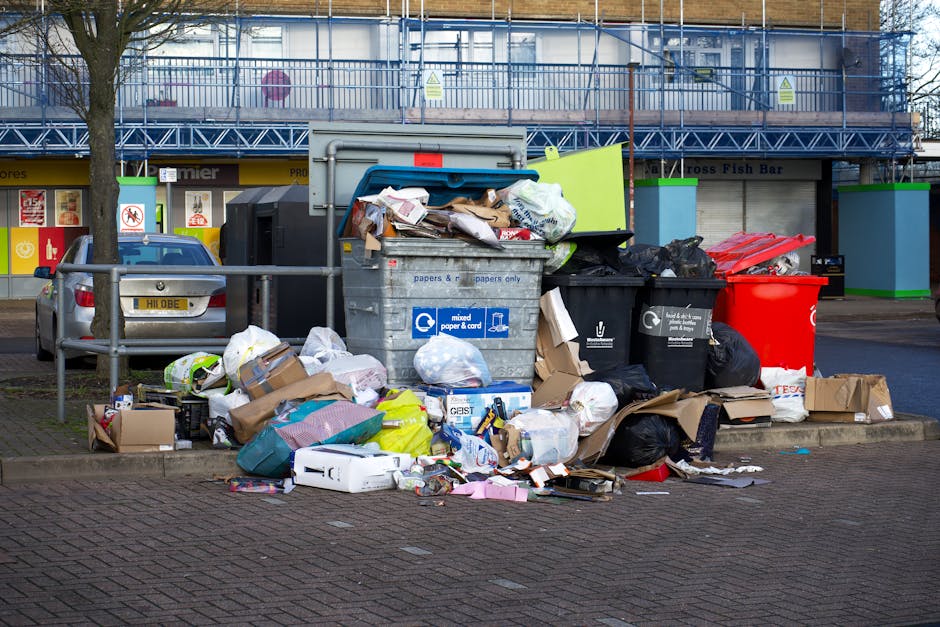
Putney High Street is a place where things move quickly. Deliveries come and go, foot traffic builds up, shops need tidy frontages, and residents often have to work around narrow entrances, stairs, parking restrictions, and shared bins. So if waste is left waiting, it turns into a practical problem very quickly. A small pile of rubbish can become an obstruction, a smell, or a complaint from neighbours. Not ideal, really.
This guide matters because rubbish removal in a dense London setting is rarely as simple as dragging things outside. Access, timing, disposal method, item type, and property layout all affect how smoothly the job goes. A sofa in a first-floor flat above a shop is a different job from a few sacks from a back garden. The same goes for builder's waste, office clear-outs, and bulky furniture.
There is also a trust factor. You want someone who handles waste responsibly, turns up when expected, and works with care in shared spaces. That is where choosing the right service and knowing what to ask makes a real difference. If your job is more than a quick declutter, it may also help to look at related services such as house clearance, flat clearance, or general waste removal depending on the kind of items involved.
Expert takeaway: The best rubbish removal service is not always the cheapest or fastest on paper. It is the one that fits your access, your waste type, your timing, and your need for responsible disposal.
How Rubbish removal Putney High Street SW15 guide Works
In practical terms, rubbish removal usually follows a simple pattern. You describe what needs collecting, the provider assesses the amount and type of waste, and a collection time is arranged. On the day, the team arrives, loads the waste, and takes it away for sorting, reuse, recycling, or disposal. Simple enough. But the detail matters.
For a Putney High Street address, the service may need to factor in limited parking, traffic timing, access through a communal hall or rear entrance, and the nature of the building itself. A ground-floor office with loading access is very different from a maisonette with a long stairwell and no lift. In our experience, the smoother the access is explained upfront, the fewer surprises there are later. No one likes an awkward "oh, I forgot to mention the stairs" moment.
There are usually a few service styles available:
- Man-and-van rubbish removal for mixed loads, bulky items, and one-off clearances.
- Bulky item collection for sofas, wardrobes, beds, appliances, and similar items.
- Specialist clearance for lofts, garages, offices, gardens, or post-renovation waste.
- Commercial waste support for businesses needing regular or ad hoc removal.
The right approach depends on what you need removed. For example, a home full of mixed items may be better handled through home clearance, while office furniture and paperwork-heavy waste may suit office clearance. If you are dealing with broken chairs, old tables, or a single heavy sofa, then furniture disposal can be the more direct route.
One useful habit is to group waste by type before booking. Mixed waste, timber, white goods, garden cuttings and general household rubbish do not always carry the same handling process. That affects load planning, vehicle space, and sometimes the final route the waste takes after collection.
Key Benefits and Practical Advantages
There are a few solid reasons people choose professional rubbish removal rather than doing it themselves. The first is time. The second is physical effort. The third is the sheer inconvenience of trying to move bulky items through stairs, doors, or traffic-heavy streets. Let's face it, a weekend can disappear fast when you are making repeated trips to a tip or waiting for the right vehicle.
Here are the main benefits:
- Speed: waste can usually be removed in one visit, which is a big help if you need space back quickly.
- Convenience: the lifting and loading are handled for you, which is especially useful for heavy or awkward items.
- Better planning: a good service can help you match the collection to your property, item type, and timetable.
- Cleaner premises: removing waste promptly keeps hallways, entrances, and front spaces tidier.
- Responsible handling: a well-run service should sort waste with recycling and reuse in mind where possible.
There is also a less obvious benefit: peace of mind. If you are clearing a property before letting it, selling it, refurbishing it, or handing keys back, being able to show the place is clear matters. A tidy, empty space just feels easier to deal with. That feeling counts.
For builders' waste, the value is even clearer. Heavy rubble, timber, packaging, plasterboard offcuts, and general site debris can make a jobsite untidy and unsafe very quickly. If that is your situation, a dedicated builders waste clearance service is usually a better fit than a generic all-purpose collection.
Who This Is For and When It Makes Sense
This guide is useful for a wide range of people. Some are dealing with a one-off mess. Others need regular support. Some are under pressure, plain and simple. The common thread is that rubbish needs to go, and the sooner the better.
It often makes sense if you are:
- a homeowner clearing out unwanted items before guests, moving day, or renovation
- a tenant leaving a flat and needing to clear leftover waste responsibly
- a landlord preparing a property between lets
- a shop or cafe on Putney High Street dealing with packaging, old fixtures, or surplus stock
- an office manager replacing furniture or reducing clutter
- a builder or decorator with mixed site waste after a project
- someone with limited access to a car, lift, or storage space
It may also make sense if you have items that are too bulky, too heavy, or simply too awkward to deal with yourself. A chest of drawers up a narrow staircase can be one of those jobs that looks small until you start. Then it is suddenly not small at all.
If the job is mainly old furniture, compare whether furniture clearance or furniture disposal is the better fit. If it is a bigger property with multiple rooms, house clearance often makes the process simpler. For cellar, attic, or forgotten storage areas, loft clearance or garage clearance may be more appropriate.
Step-by-Step Guidance
If you want a smooth rubbish removal job, the best results come from a bit of preparation. Not loads. Just enough to avoid confusion on the day.
- Identify the waste clearly. Make a quick list of what needs to go. Group it into bags, furniture, electricals, building waste, garden waste, and anything unusual.
- Check access. Note stairs, lifts, narrow corridors, parking restrictions, loading areas, and any access codes or concierge rules.
- Decide what must stay. It sounds obvious, but mixed-up items cause delays. Separate keep, donate, and remove piles before collection.
- Ask for a clear quote. Pricing is easier when the provider knows the type and volume of waste, not just a vague "some stuff".
- Confirm timing. On Putney High Street, timing can matter more than people think. Peak traffic and busy pavement conditions can make collections slower.
- Prepare the space. Move small items into one area if you can safely do so. This reduces handling time.
- Let the team work safely. Clear the route to the items and avoid blocking doors, stairs, or lifts. A minute spent on this saves ten later.
- Review what was taken. Once the collection is done, check that everything agreed has been removed and that the area is left tidy.
If you are arranging a broader clearance, you may want to look at furniture clearance, home clearance, or office clearance so the service matches the scale of the job rather than just the headline waste type.
Expert Tips for Better Results
There are a few habits that make rubbish removal more predictable, cheaper in some cases, and less stressful. These are the sort of small details that do not sound exciting, but they matter in the real world.
- Photograph the waste before booking. Not for drama. Just for clarity. A couple of photos can help avoid misunderstandings.
- Separate hazardous or specialist items early. Things like paint, solvents, batteries, and some electrical items may need special handling.
- Be specific about bulky pieces. A wardrobe, mattress, sofa, and desk each create different lifting and loading challenges.
- Think about parking in advance. On a busy street, a collection can be delayed by something as simple as nowhere safe to stop.
- Keep pathways clear. It sounds basic, but this reduces risk and speeds everything up.
- Ask how waste is handled. Good providers should be able to explain sorting, recycling, and disposal in plain language.
A helpful rule of thumb: if you are hesitating because the job feels too mixed or messy, it probably needs a better plan rather than more effort. That is especially true for post-tenancy clear-outs and end-of-project clean-ups, where "just get rid of everything" can backfire if there are items that should be kept, reused, or treated separately.
For business premises, consider whether your rubbish removal should sit alongside business waste removal arrangements. Regular commercial waste is often more efficient when it is planned as a repeat process rather than a series of one-off emergencies.
Common Mistakes to Avoid
Most rubbish removal problems are avoidable. The issue is usually not bad luck. It is a lack of detail before the collection day. Easy to do, to be fair.
- Giving a vague description. "A bit of rubbish" does not help much when the load includes three wardrobes and a broken fridge.
- Forgetting access details. A narrow staircase, gated entrance, or no parking can change the plan fast.
- Mixing wanted and unwanted items. This is one of the most common mistakes, and it causes avoidable stress.
- Choosing only by price. Cheap can be fine. But cheap with no clear service detail is a risk.
- Ignoring special waste. Certain items should never be lumped in with general rubbish without checking first.
- Leaving everything until the last minute. Then you are booking in a rush, and rushed bookings tend to feel rough around the edges.
Another frequent slip is assuming every collection is the same. It really is not. A loft clearance, a garden clearance, and a builders' waste job all have different handling needs. If you match the service to the job from the start, you avoid most of the hassle. Simple as that.
Tools, Resources and Recommendations
You do not need a truckload of equipment to prepare for rubbish removal. A small set of practical tools is usually enough.
- Heavy-duty bags or boxes for smaller mixed items
- Labels or tape to mark keep/remove areas
- Gloves if you are sorting anything dusty or sharp
- Measuring tape for bulky furniture and access widths
- Phone camera for taking booking photos
- Basic checklist so nothing gets left behind by mistake
For larger clearances, you may also want to read the provider's pages on pricing and expectations before you book. A good place to start is pricing and quotes, which should help you understand how a collection is typically assessed, and recycling and sustainability if you want to know how waste is handled after it leaves the property.
Trust matters too. If you are comparing companies, it helps to review pages such as about us, insurance and safety, and health and safety policy. That does not guarantee perfection, obviously, but it does show whether the business takes its responsibilities seriously.
Law, Compliance, Standards, or Best Practice
Waste handling in the UK comes with responsibilities, even for straightforward domestic jobs. You do not need to become a legal expert to arrange a collection, but it helps to understand the basics.
The first principle is simple: waste should go to a legitimate destination and be handled responsibly. If a service cannot explain what happens to your rubbish, that is a red flag. A proper operator should also work safely, avoid damaging property, and take care around shared access areas, especially in busy streets and communal buildings.
For business waste, the bar is higher because businesses have to think about duty of care, record-keeping expectations, and the way waste is transferred and documented. In plain English: do not assume business rubbish can be treated casually just because it is out of sight. It cannot. If you run a commercial premises on or near Putney High Street, professional business waste removal is usually the safer and cleaner route.
Best practice also includes:
- separating recyclable items where possible
- keeping walkways clear for staff and the public
- using suitable lifting methods for heavy items
- avoiding damage to lifts, stairs, walls, and flooring
- being honest about the load size so the right vehicle and team are sent
If you are unsure whether an item is special waste, fragile, or potentially hazardous, ask before collection. That tiny question can save a lot of trouble. Sometimes the most professional thing you can do is pause for thirty seconds and check.
Options, Methods, or Comparison Table
Different rubbish removal methods suit different situations. The comparison below gives a practical overview without pretending there is one perfect answer for everyone.
| Option | Best for | Pros | Considerations |
|---|---|---|---|
| Self-removal | Small loads and light items | Can be cheap if you already have transport | Time-consuming, physically demanding, parking and disposal can be awkward |
| Man-and-van collection | Mixed domestic waste, bulky pieces, one-off jobs | Flexible, quick, less effort for you | Needs accurate description of access and load |
| Specialist clearance | Whole rooms, lofts, garages, offices, renovations | Better for larger or more complex jobs | May need more planning before booking |
| Regular commercial waste service | Businesses with ongoing rubbish | Predictable, efficient, suitable for repeat needs | Requires a clear routine and often more documentation |
For many Putney High Street residents, a flexible collection is the sweet spot. If you only have a few bulky items, a furniture-focused service may be enough. If the job stretches across multiple rooms or includes hidden storage, a broader clearance is usually easier. That is why it helps to compare the job type first, then choose the method.
Case Study or Real-World Example
Picture a first-floor flat just off Putney High Street. The tenant has moved out, but the place still has two wardrobes, a bed frame, several bin bags, and some old kitchen bits. There is a narrow stairwell, the street is busy, and the building shares an entrance with other residents. Nothing dramatic, but enough to make a DIY removal awkward.
In that kind of scenario, the sensible move is usually to separate the items into furniture, mixed household waste, and anything that might need special handling. The collection is booked with access details provided upfront: floor level, stair width, entry instructions, and whether parking is possible nearby. On the day, the team arrives, works through the items in a logical order, and clears the space without disturbing the building more than necessary.
The result? The flat is ready for cleaning, the landlord can move ahead, and the tenant is not spending a whole day wrestling with a mattress in the rain. It is not glamorous, but it is efficient. And sometimes that is exactly what people need.
For a slightly larger example, think of a small office near the High Street replacing desks and chairs. The old furniture needs to go, but so do packaging materials and a few filing cabinets that are no longer in use. In that case, pairing office-specific collection with responsible disposal creates a cleaner handover. If the furniture is the main issue, furniture clearance can be the most straightforward route.
Practical Checklist
Use this simple checklist before your rubbish removal booking. It keeps the day manageable and stops obvious mistakes.
- Have I listed everything that needs to be removed?
- Have I separated items I want to keep?
- Do I know whether any items need special handling?
- Have I checked stairs, lifts, entrances, and parking access?
- Have I taken photos of the waste if the job is complex?
- Have I asked for a clear quote based on the actual load?
- Have I confirmed the collection time and access arrangements?
- Have I moved fragile items out of the route where possible?
- Do I know whether the job is better suited to house, flat, office, garden, or builders' clearance?
- Have I reviewed the provider's trust and safety information?
Checklist done. That alone cuts out a lot of day-of stress, especially in a busy London street where there is rarely much room for guesswork.
Conclusion
A good Rubbish removal Putney High Street SW15 guide should help you make a calmer, smarter decision. And that is really the point here. In a busy local setting, rubbish removal works best when you think about access, waste type, timing, safety, and disposal method before collection day rather than after it. A little preparation goes a long way.
If you remember just one thing, make it this: the right service is the one that matches the job, not the one that sounds quickest in a rush. Whether you are clearing a flat, dealing with office furniture, tidying a garage, or handling mixed household waste, a clear plan saves time and avoids headaches.
When in doubt, start with the kind of clearance you actually need, then build from there. That keeps the whole process simpler, cleaner, and easier to live with. Which, after all, is what you wanted in the first place.
Get a free quote today and see how much you can save.
Frequently Asked Questions
What does rubbish removal on Putney High Street usually include?
It usually includes the collection and disposal of general household rubbish, bulky items, bagged waste, furniture, and sometimes mixed clear-out loads. The exact scope depends on the provider and the type of waste, so it is always worth explaining what you have in detail.
Is rubbish removal better than hiring a skip in SW15?
It depends on the job. A skip can suit ongoing work or larger renovation projects with space to place it. A rubbish removal service is often easier when access is tight, the waste is mixed, or you want items taken away quickly without handling the loading yourself.
How do I know if I need furniture clearance instead of general rubbish removal?
If most of the waste is sofas, beds, tables, wardrobes, or similar items, furniture clearance is usually the better fit. If the load is a mix of bags, small items, and a few large pieces, general rubbish removal may be more practical.
Can rubbish removal help with flats and upper-floor properties?
Yes, and this is one of the most common uses in Putney. Flats with stairs, lifts, or shared access often benefit from a collection service because the lifting, carrying, and loading are handled for you.
What should I do before a collection arrives?
Separate what is staying from what is going. Clear access routes where possible, identify any unusual items, and make sure the provider knows about stairs, parking, or entry restrictions. A little prep saves a lot of back-and-forth.
Do I need to sort everything into different piles?
Not always, but it helps. At minimum, separate furniture, general waste, and anything that might need special handling. If you have a larger clearance, sorting items a bit more carefully makes the whole process smoother.
How is commercial waste different from household rubbish?
Commercial waste usually needs more careful handling, especially if a business is clearing stock, packaging, paperwork, or furniture. It often makes sense to use a business-focused service so the waste is handled in a way that fits the premises and the duty of care involved.
What kinds of jobs suit waste removal rather than a full house clearance?
Waste removal is a good fit for smaller or more mixed loads where you do not need the whole property cleared. A full house clearance is more suitable when several rooms, loft spaces, or storage areas need to be emptied in one go.
How can I keep costs under control?
Be accurate about the volume and type of waste, prepare the items in advance, and avoid adding extra pieces on the day unless necessary. Clear access and honest descriptions help prevent avoidable price changes.
What if I have garden waste or garage clutter too?
Then a more specific service may work better. Garden waste is often better matched to garden clearance, while old tools, boxes, and storage clutter may suit garage clearance. Matching the service to the job usually gives a smoother result.
How do I know a provider is trustworthy?
Look for clear information about who they are, how they handle waste, their safety approach, payment clarity, and how they deal with complaints or policies. Pages like about us, insurance and safety, and terms and conditions can help you judge whether the business is properly set up.
Can rubbish removal include office or business premises near Putney High Street?
Yes. Offices, shops, and other commercial spaces often need removal of furniture, packaging, stock, or general clutter. In those cases, office clearance or business waste removal may be the most suitable option.
What is the best first step if I am still unsure?
Start by describing the waste honestly, taking a few photos, and thinking about access. If you can do that, it becomes much easier to match the job to the right service and move forward without second-guessing yourself.
If you are ready to take the next step, choose the service that fits your space, your waste, and your timeline. The whole thing gets easier once the first decision is made.