Putney House Clearance Recycling and Sustainability Commitments
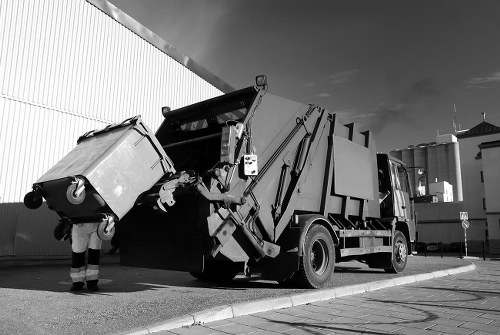 At Putney House Clearance we prioritise an eco-friendly waste disposal area and a sustainable rubbish area approach across every clearance. Our team focuses on practical reuse and resource recovery, ensuring that items recovered from homes in Putney and surrounding boroughs are directed to the most sustainable routes possible. We treat sustainability as a core part of our service: sorting on-site, diverting salvageable furniture and appliances, and minimising what goes to landfill. This page outlines our targets, local transfer stations, charity partnerships and low-carbon fleet plans.
We have set a clear recycling percentage target to drive continuous improvement. Our current goal is a minimum 85% reuse and recycling rate across standard domestic clearances by 2028, measured by weight and destination. This target covers diversion to reuse, direct donations, specialist recycling streams for WEEE (electricals), mattresses, textiles and inert materials. Tracking and quarterly audits form part of our process so that every collection contributes to measurable reductions in waste sent to landfill.
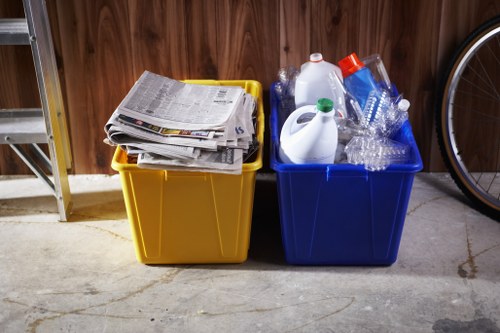 We work closely with local infrastructure to streamline an efficient, sustainable rubbish area network. Items that cannot be reused are taken to nearby transfer stations and Materials Recovery Facilities (MRFs), or to specialist processors where appropriate. In the Wandsworth and neighbouring boroughs there are well-established civic amenity sites and transfer hubs that accept separated streams like food waste, glass, paper, metals and mixed recycling; we align our sorting practices with these borough approaches to waste separation to ensure compatibility and maximise capture rates.
Partnerships with Charities and Reuse Organisations
Our reuse-first strategy is driven by formal partnerships with local and regional charities, social enterprises and furniture banks. We donate good-quality items to charities and community groups who operate second-hand shops, training schemes and reuse programmes. These partnerships reduce waste and support local social outcomes: furniture and household goods find new homes, giving people access to affordable essentials while keeping materials in circulation. We also work with smaller community-run projects for textiles, books and small electricals that may otherwise be discarded.
Low-Carbon Vans and Greener Logistics
Our transport strategy is designed to reduce emissions from clearance work. We operate a mixed fleet of low-carbon vans, including electric and hybrid vehicles, and use route optimisation software to minimise mileage and idle time. For inner Putney and nearby streets we deploy cargo bikes and low-emission vehicles where feasible, cutting the carbon footprint of short trips and avoiding unnecessary engine starts. Vehicle maintenance, driver training in eco-driving, and scheduling consolidated collections are additional measures that support our low-emission ambitions.We also invest in last-mile solutions and collaborate with local councils' low-emission zones strategies. By integrating with borough-level initiatives — such as collection schedules and designated drop-off points — we maintain high service standards while keeping emissions low. Our logistics focus supports both the practicalities of house clearance and the broader goal of creating a sustainable rubbish area across the community.
 Sustainable disposal routes are chosen according to material type and local regulatory standards. Hazardous items, including certain paints, solvents and batteries, are segregated and directed to licensed hazardous waste processors. Electrical goods follow certified WEEE routes to ensure metals and plastics are recovered and hazardous components removed safely. Large items like sofas and mattresses are assessed: if reusable they’re cleaned and donated, if recyclable they’re dismantled and sent to specialist processors to recover wood, metal and foam.
To give a clear picture of how we translate policy into action, here are the pillars of our sustainable rubbish area practice:
- Recycling percentage target: 85% reuse/recycling by 2028, monitored via audits.
- Local transfer stations: coordinated use of nearby civic amenity sites and MRFs aligned with borough waste separation systems.
- Charity partnerships: priority donation channels to local social enterprises and reuse charities.
- Low-carbon vans: electric/hybrid fleet, cargo bikes and route optimisation to cut emissions.
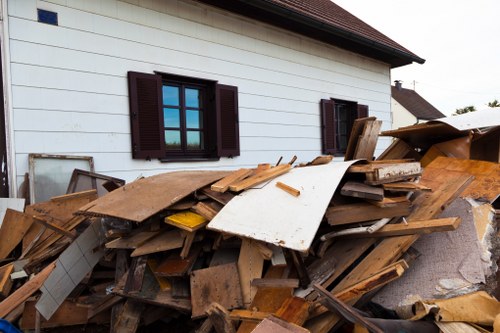 In summary, Putney House Clearance is committed to delivering a comprehensive, eco-friendly waste disposal area and a robust sustainable rubbish area programme. Our combination of an ambitious recycling target, strategic use of transfer stations, strong charity relationships, and investment in low-carbon transport guides everything we do. We continue to refine our processes in line with borough-level waste separation practices and national regulations, seeking practical, measurable steps that reduce environmental impact while supporting the local community and circular economy.