Household rubbish collection East Putney station tips
If you live or work near East Putney station, rubbish has a habit of piling up at the least convenient moment. A broken chair in the hallway, a few bags after a clear-out, cardboard from a move, or the odd awkward item that never seems to fit into normal weekly collection. The good news is that Household rubbish collection East Putney station tips can make the whole process easier, cleaner, and far less stressful. With a bit of planning, you can avoid messy pavements, missed collection windows, and that familiar "where on earth does this go?" feeling.
This guide explains how household rubbish collection works in a busy local setting, what to prepare before removal day, how to choose the right approach for different types of waste, and which mistakes are worth avoiding. It also covers practical points like access, safety, recycling, and when a fuller service such as waste removal or home clearance makes more sense than trying to do everything yourself. Let's face it: when bags start breeding in the corner, you want a plan, not guesswork.
Table of Contents
- Why this matters near East Putney station
- How the collection process works
- Key benefits and practical advantages
- Who this is for and when it makes sense
- Step-by-step guidance
- Expert tips for better results
- Common mistakes to avoid
- Tools, resources and recommendations
- Law, compliance, standards and best practice
- Options and comparison table
- Case study or real-world example
- Practical checklist
- Conclusion
- Frequently Asked Questions
Why Household rubbish collection East Putney station tips Matters
Household waste around East Putney station is often a bit more complicated than it first looks. You are dealing with a London transport hub, residential streets, flats, terraces, shared entrances, and people moving in and out at all hours. That means clutter can become an eyesore quickly, and a badly handled collection can block access, upset neighbours, or create a hazard on the pavement. A small mistake becomes everyone's problem. That is just the reality of dense urban living.
Good rubbish collection habits matter because they save time and reduce friction. If you sort items properly, place them out at the right time, and understand which items need separate handling, the job becomes much smoother. It also helps protect your home from pests, smells, and unnecessary mess. In summer, especially, a bag left too long can go from "annoying" to "absolutely no thanks" in a day or two.
There is also a financial side. A little planning can prevent wasted trips, extra labour, or the need for a second collection because the wrong items were left out. And if you are clearing a flat, a rental property, or a home after guests, a sensible approach can make the difference between a tidy handover and a stressful scramble.
Expert summary: around East Putney station, the best rubbish collection is usually the one that is sorted, staged neatly, and timed to suit local access. That simple formula avoids most problems before they start.
If you are tackling a bigger clear-out, a more structured service such as flat clearance or house clearance may be a better fit than a piecemeal bag-by-bag approach.
How Household rubbish collection East Putney station tips Works
In practical terms, household rubbish collection is about getting waste from your home to the correct collection point, in the right condition, at the right time. That sounds obvious, but the detail matters. For example, loose broken glass should be wrapped safely, bulky furniture should be separated from general rubbish, and bags should not be overloaded to the point where they split on the way out. Nobody enjoys chasing a torn bin bag down the pavement in the wind. Nobody.
Near East Putney station, access is often the biggest variable. Flats may have narrow stairwells, shared entrances, parking restrictions, or limited lift space. Ground-floor homes might have easier collection access, but still need careful timing if the street is busy. In many cases, the process looks like this:
- Identify what needs to go and split it by type.
- Check whether anything is reusable, recyclable, or needs special handling.
- Bag or box smaller waste securely.
- Keep sharp, wet, or heavy items separate.
- Stage the rubbish in a safe place that does not block access.
- Arrange collection or disposal at a suitable time.
- Confirm the area is left clean once everything is removed.
If the waste includes furniture, old mattresses, wardrobes, or mixed items from a room clear-out, a more targeted service like furniture clearance or furniture disposal can be far more efficient than trying to squeeze everything into standard household bins.
One thing people often overlook is the "end of job" stage. A proper collection is not just removal. It is also about leaving the space usable again. That means checking for nails, loose packaging, spills, and any fragments that could catch a shoe or cut a hand later. A ten-second sweep saves a lot of annoyance.
Key Benefits and Practical Advantages
When household rubbish is managed well, the benefits show up quickly. Some are obvious, some less so. The immediate one is visual: the room or hallway looks better. But the wider gains are usually what people really notice after the fact. Things feel lighter. You move around more easily. The place stops feeling like a temporary storage unit.
- Cleaner living space: less clutter, fewer odours, and fewer items attracting dust.
- Better access: hallways, staircases, and doorways stay clear, which matters in flats and shared homes.
- Less stress: waste is dealt with in one plan instead of a never-ending series of small decisions.
- More efficient recycling: sorting ahead of time makes it easier to separate materials responsibly.
- Safer handling: heavy or awkward items are less likely to cause injury when prepared properly.
- Improved landlord or guest handovers: useful if you are moving out, letting a property, or hosting visitors.
There is also a soft benefit that people do not always mention: it resets the feel of a home. A clear space makes the next task easier, whether that is decorating, deep cleaning, or simply getting your normal life back. You will notice this most after a weekend clear-out. Sunday afternoon, kettle on, one room sorted. That feeling is worth a lot.
For larger jobs, combining rubbish collection with loft clearance or garage clearance can help remove the hidden build-up that tends to cause repeat clutter.
Who This Is For and When It Makes Sense
This kind of household rubbish collection advice is most useful for people who live near East Putney station and have a practical waste problem rather than a one-bin issue. That might be a tenant moving out of a flat, a homeowner doing a room-by-room declutter, a family dealing with school holiday mess, or someone who has inherited a property that needs attention before sale or occupation.
It also makes sense for people managing awkward waste after small projects. Maybe you have replaced a sofa, emptied a bedroom, cleared cupboards in the kitchen, or finally tackled that catch-all room where broken lamps and old boxes seem to gather like magnets. That is exactly the kind of situation where a structured approach saves time.
It is especially useful if:
- you have bulky items that ordinary household collections will not take easily;
- your building has tight access or shared common areas;
- you need waste removed quickly before visitors, check-out, or a handover;
- you want to separate recyclable materials more thoughtfully;
- you are dealing with mixed waste from several rooms at once.
If the job is mostly household clutter, home clearance can be a sensible middle ground between a standard bin collection and a full property clearance. To be fair, not every pile of rubbish needs a dramatic solution. Sometimes it just needs a clean, organised one.
Step-by-Step Guidance
If you want the process to go smoothly, start with the waste itself. That is the bit people rush, and then wonder why everything feels harder later. Slow it down for ten minutes and it pays back.
1. Sort by type before you move anything
Group general rubbish, recyclables, bulky items, and anything that might need special care. For example, cardboard, old papers, textiles, and small electrical bits should not just be thrown into one giant heap if you can help it. A simple sort now means fewer awkward decisions later.
2. Remove obvious hazards
Glass, sharp metal, broken plastic edges, and anything damp or smelly should be handled first. Wrap or contain these items properly. If there is a risk of leakage, double-bagging can help. It is a small job, but it prevents a messy staircase or lift.
3. Break down what you can safely dismantle
Flatten boxes. Unscrew simple furniture parts if they come apart easily. But do not force anything. If a wardrobe is awkward, heavy, or fixed in place, it may be better handled as part of a more organised collection. No prize for heroics here.
4. Plan the exit route
Check the route from the flat or house to the collection point. Doors, stairwells, corners, and shared hallways can all create snags. If you live near the station and the street is active at certain times, think about when foot traffic is lighter. That little bit of timing helps more than people expect.
5. Stage items neatly
Keep bags tied, boxes closed, and heavier items stable. Do not leave things where they can slide, tip, or obstruct residents. A neat pile feels more manageable and is easier for any collection crew to handle efficiently.
6. Clear the space afterwards
Once the rubbish is gone, do a final check. Look behind doors, under shelving, and along skirting boards. You would be surprised how often a screw, charger cable, or tiny fragment gets missed in the rush.
If the removal includes a larger volume of mixed waste, explore waste removal options that can handle heavier or more varied loads than ordinary household bin bags.
Expert Tips for Better Results
After enough clear-outs, certain patterns become obvious. The people who have the smoothest experience are usually not the ones with the least rubbish. They are the ones who prepare the rubbish in a sensible way.
- Use smaller bags for heavy waste. Overfilled sacks split at the worst moment, usually halfway down the stairs. Annoying, and avoidable.
- Keep wet waste separate. Damp cardboard, garden cuttings, and food leftovers can ruin a dry load quickly.
- Label bags if several people are involved. It sounds fussy, but in shared households it stops arguments and double-handling.
- Think in zones. Hallway waste, kitchen waste, and bedroom waste do not all need the same treatment.
- Choose a quiet collection window. Around East Putney station, the difference between a calm pickup and a frustrating one can be ten minutes.
- Prepare for stairs and turns. Measure if you are dealing with furniture or large boxes. A sofa that looks fine in the room can become a brick wall in a narrow stairwell.
One practical trick: keep one bag aside for "final sweep" items. These are the bits you only notice once the main pile is gone - loose receipts, packaging straps, stray screws, the odd bit of tape stuck under a shelf. It is a tiny habit, but it tidies up the last 5% that most people miss.
If you are dealing with a mixed clear-out involving fixtures, packaging, and heavier debris, it may be worth comparing household rubbish collection with more specific services such as builders waste clearance for renovation debris or garden clearance for outdoor waste.
Common Mistakes to Avoid
Some mistakes show up over and over again. They are simple, but they waste time and make the collection harder than it needs to be.
- Leaving everything until the last minute. This usually leads to rushed sorting and poor staging.
- Mixing heavy and light waste in one bag. The bag gets awkward, then splits, then you are doing the job twice.
- Ignoring access constraints. Shared entrances, parking, lifts, and narrow stairways all matter.
- Forgetting about neighbours. Loud dragging, blocked paths, and bags left out too long can cause problems quickly.
- Putting recyclable items in general rubbish by default. It is easy to do, but not the most responsible option.
- Assuming every item can be handled the same way. Furniture, textiles, electronics, and mixed household waste often need different treatment.
Another common issue is underestimating how long the tidy-up takes after removal. People think the hard part is getting the stuff out. Often, the hardest part is the sorting and the final clean. Funny how that works.
If the plan involves moving out or clearing a property thoroughly, services like house clearance and flat clearance can reduce those repeat headaches.
Tools, Resources and Recommendations
You do not need a van full of kit to manage household rubbish well, but a few simple tools help a lot. Most are the sort of items people already own, which is convenient.
- Strong bin bags or rubble sacks: useful for separating lighter and heavier waste.
- Marker pen and labels: handy for sorting and identifying what stays, what goes, and what needs recycling.
- Work gloves: especially helpful for rough cardboard, splintered wood, and broken packaging.
- Tape and scissors: for boxing loose items and flattening packaging.
- Cleaning cloths or a small brush: useful for the final sweep after removal.
- Measuring tape: worth having if you are moving bulky objects through tight spaces.
On the service side, the most useful supporting pages are often the ones people overlook. If you want to understand how a provider works, read about us. If you want to check practical pricing expectations, look at pricing and quotes. And if you want reassurance about how waste is handled after collection, the page on recycling and sustainability is a sensible place to start.
For trust and safety details, it also helps to review insurance and safety and the health and safety policy. That may sound dry, but in real life it is exactly the sort of thing you want to know before anyone starts lifting awkward items down a staircase.
Law, Compliance, Standards, or Best Practice
Household rubbish collection in the UK should always be handled responsibly, even when the job feels small. The general best practice is straightforward: waste should be stored safely, handed to an appropriate collector, and managed in a way that reduces risk to people and the environment. If you are using a service provider, it is sensible to expect clear communication, careful handling, and proper disposal routes.
For homeowners and tenants, the key practical point is not to leave waste in a way that blocks access, creates a hazard, or causes nuisance to neighbours. If you live in a shared building, that matters even more. Common areas are shared space, after all, and nobody wants a hallway that feels like a temporary dump.
Where possible, separate recyclable items and avoid mixing different waste streams unnecessarily. That is both cleaner and more efficient. If you are dealing with electricals, paint, chemicals, or anything you suspect needs specialist handling, pause and check before adding it to the general pile. When in doubt, caution is better than improvisation.
From a provider perspective, good practice includes sensible lifting methods, insurance, safe access planning, and responsible sorting after collection. If a company is transparent about these things, that is a good sign. If not, I'd be cautious.
Options, Methods, or Comparison Table
There is more than one way to deal with household rubbish near East Putney station. The right method depends on volume, access, item type, and how quickly you need it gone.
| Option | Best for | Pros | Trade-offs |
|---|---|---|---|
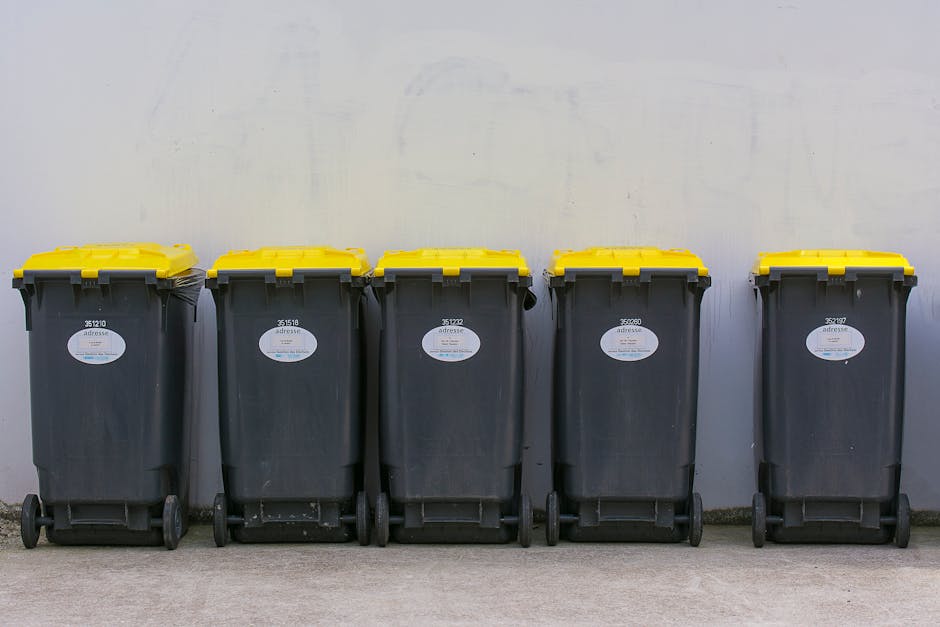
| Normal household bin collection | Small, routine waste | Simple, familiar, low effort | Limited for bulky or mixed items |
| Self-sorting and trip to disposal point | Small clear-outs and well-organised loads | Cost-controlled, flexible | Takes time, transport, and lifting effort |
| General waste removal service | Mixed rubbish and awkward volumes | Efficient, convenient, less physical strain | Needs booking and may cost more than DIY |
| Targeted clearance service | Furniture, lofts, garages, whole rooms | Handles bigger jobs cleanly and quickly | May be more than you need for a small load |
In many real situations, the most efficient answer is somewhere in the middle. A few bags can go in routine collection, the larger items can be handled separately, and anything bulky can be folded into a wider clearance service. That balanced approach is often cheaper and less chaotic than trying to force everything into one method.
Case Study or Real-World Example
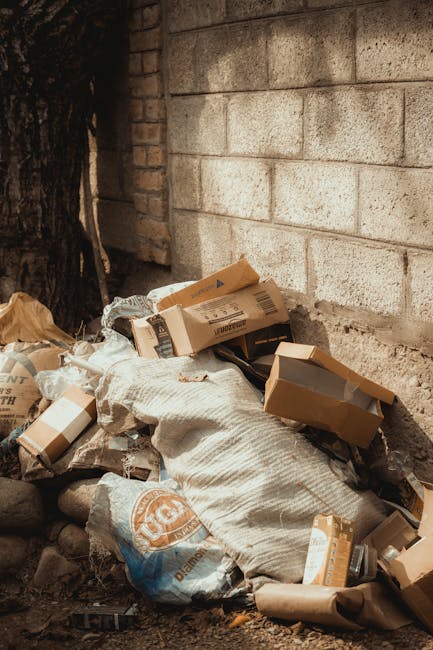
Picture a typical flat near East Putney station. One bedroom, one hallway cupboard, a small kitchen, and a pile of "temporary" items that have been there for months. There are old delivery boxes, a broken bedside table, three black sacks of mixed waste, and a chair no one admits owning. It is not dramatic, just stubbornly there.
The first mistake would be to drag it all out at once. Instead, the better approach is to sort the waste into three groups: recyclables, general rubbish, and bulky items. The cardboard gets flattened. The loose small bits go into sealed bags. The chair and table are kept separate so they can be removed without crushing the lighter material. The resident also checks the route out to the street, because the stairwell is narrow and there is a turn at the landing that catches anything oversized.
By doing that, the collection becomes quick and orderly. Nothing tears, the hallway stays clear, and the flat looks much better by the end of the morning. Not glamorous, perhaps, but very satisfying. That is the kind of result people want: calm, tidy, and done properly the first time.
In a case like this, a general waste removal visit would suit the mixed rubbish, while a separate furniture collection would handle the awkward chair and table. Simple split, better outcome.
Practical Checklist
Use this checklist before collection day. It keeps the whole thing grounded and stops small things slipping through the cracks.
- Sort rubbish into general waste, recyclables, and bulky items.
- Remove sharp edges, glass, and heavy fragments carefully.
- Flatten boxes and secure loose contents.
- Double-check any items that may need specialist handling.
- Keep stairwells, hallways, and shared entrances clear.
- Label or separate bags if several people are involved.
- Plan the route out of the property.
- Confirm where everything will be staged before pickup.
- Have gloves, tape, and a brush ready for the clean-up.
- Do a final sweep once the waste has gone.
If you are preparing a bigger project, you might also want to think about related spaces that gather clutter over time, such as a loft clearance or garage clearance. Those areas have a way of hiding more than you remember.
Conclusion
Household rubbish collection near East Putney station works best when it is planned simply, sorted carefully, and timed with real-world access in mind. That is the core of it. You do not need a perfect system; you just need one that is tidy, sensible, and suited to the building you live in. A bit of organisation saves a surprising amount of hassle, especially where shared space, tight stairways, and busy streets are involved.
If you remember nothing else, remember this: sort first, move second, and keep the route clear. That one habit removes most of the stress. And if the job turns out to be bigger than expected, there is no shame in choosing a fuller clearance option that gets it done properly and with less strain on you.
Get a free quote today and see how much you can save.
For next steps, you can also explore the company's contact us page if you want to ask about a specific type of collection, or review terms and conditions so you know what to expect before booking. A little clarity now makes the whole experience feel lighter later, which is what everyone wants, really.
Frequently Asked Questions
What is the best way to organise household rubbish near East Putney station?
Start by separating general waste, recyclables, and bulky items. Then bag or box everything securely and plan the easiest route out of the property. In a busy area, neat staging matters more than people think.
Can I put all household rubbish out together?
Sometimes yes, but it depends on the type of waste and how much there is. Mixed bags are harder to handle and may not suit every collection method. If in doubt, separate the load first.
What should I do with broken furniture?
Broken furniture is usually better handled separately from small household rubbish. A targeted furniture disposal or furniture clearance approach is often more efficient, especially if the item is bulky or awkward.
How do I avoid making a mess in the hallway?
Use strong bags, avoid overfilling them, and keep sharp or damp waste wrapped securely. Also check the route before you start moving items. A clean hallway begins with a sensible setup.
Is household rubbish collection suitable for flat clear-outs?
Yes, especially where you have a mix of bags, small items, and a few heavier pieces. For larger jobs, flat clearance can be a better fit than handling it all in stages.
What happens if I have bulky items like wardrobes or sofas?
Bulky items usually need separate planning because of their size and weight. Measure the route, check access, and consider a furniture-specific or general waste removal service if moving them safely would be difficult.
How can I tell if waste should be recycled or removed as general rubbish?
As a general rule, cardboard, paper, some plastics, and reusable materials should be separated where possible. Mixed, dirty, or contaminated waste often needs different handling. When the load is unclear, sorting it first is the safer choice.
Do I need to clean the area after the rubbish is collected?
Yes, ideally. A quick sweep or wipe-down catches nails, dust, and small fragments. It only takes a moment and leaves the space safer and nicer to use.
When does it make sense to book a full clearance service instead of normal collection?
If you have waste from several rooms, large bulky items, or a lot of mixed rubbish, a fuller service can save time and reduce stress. It is often the cleaner option for properties that need a proper reset.
How do I choose a reliable waste removal provider?
Look for clear information about safety, insurance, disposal practices, pricing, and how the team handles different waste types. Pages such as insurance and safety and recycling and sustainability are useful indicators of how seriously a provider takes the job.
What if I only have a few bags of rubbish?
If it is just a small amount, routine household collection may be enough. But if the bags are heavy, awkward, or mixed with bulky bits, a broader waste removal option can still be worth it. Small jobs can become irritating if they are not handled properly.
Can household rubbish collection help before a move-out date?
Absolutely. That is one of the most common reasons people use it. A planned collection makes the property easier to clean, inspect, and hand over without last-minute panic. And that relief, honestly, is hard to beat.